At the table
Family Dining in Phuket Old Town: Ordering for Three Generations
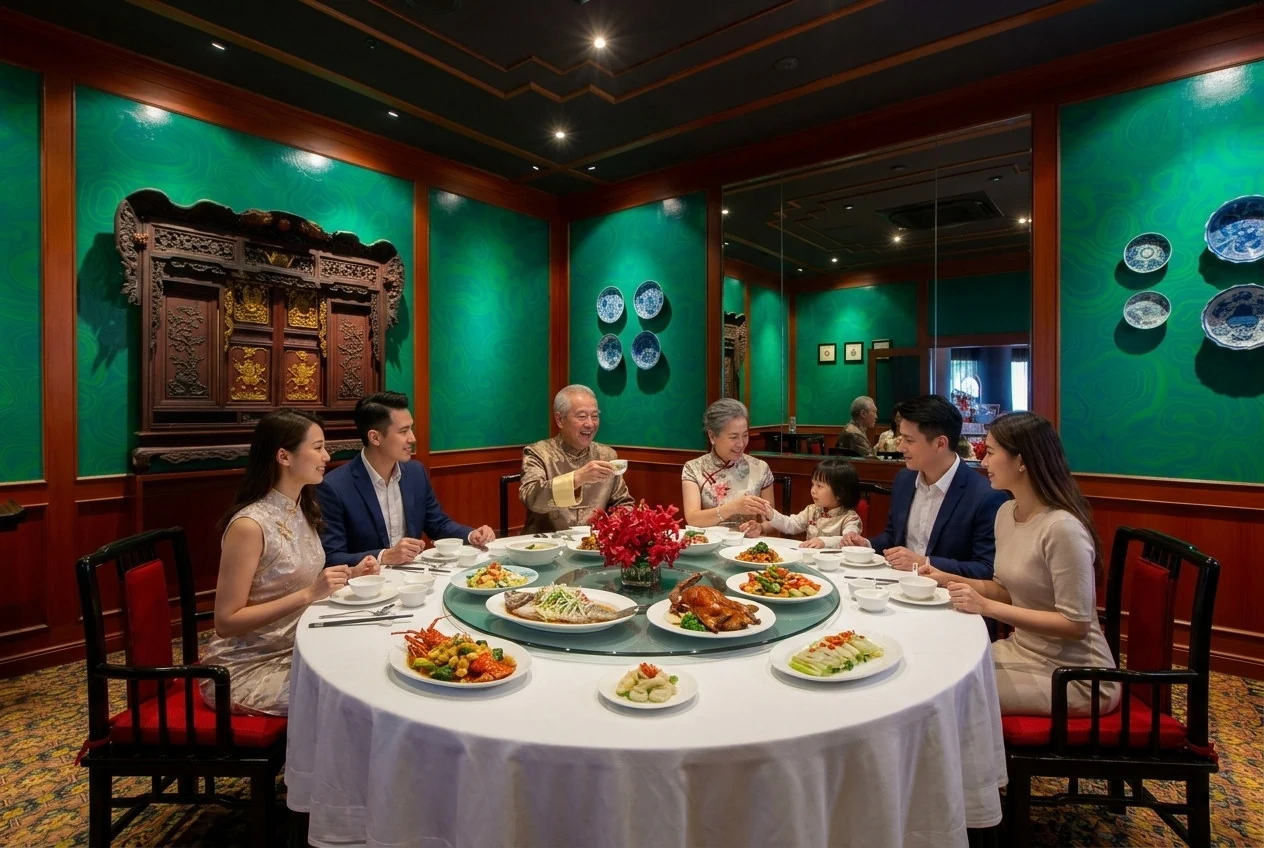
For family dining in Phuket Old Town, a shared Chinese meal can bring several generations around the same table without expecting everyone to eat identically. At Yan Long, start with a few dishes the family already enjoys, add something different for those who want to explore, and discuss individual needs before ordering. A comfortable meal is built around the people present, not a fixed list of must-try dishes.
In this article
The most useful planning happens before the first platter arrives: who needs a simpler plate, who prefers smaller portions, and what the whole group can genuinely share.
Ask about preferences instead of guessing
Children do not all want bland food, and older guests do not all prefer the same textures. Ask each person what would make the meal enjoyable. A grandparent may be the keenest seafood eater at the table; a child may be excited to try dumplings but uninterested in a rich roast.
Separate preferences from allergies or dietary requirements. Disliking a sauce is different from needing to avoid an ingredient in preparation. Tell the restaurant clearly which is which, and ask what can be accommodated before finalising the order.
If somebody needs a particular texture or help with eating, explain the practical requirement rather than relying on a broad description such as “elderly-friendly.” The team can respond more usefully to a specific request.
Give the shared menu a familiar foundation
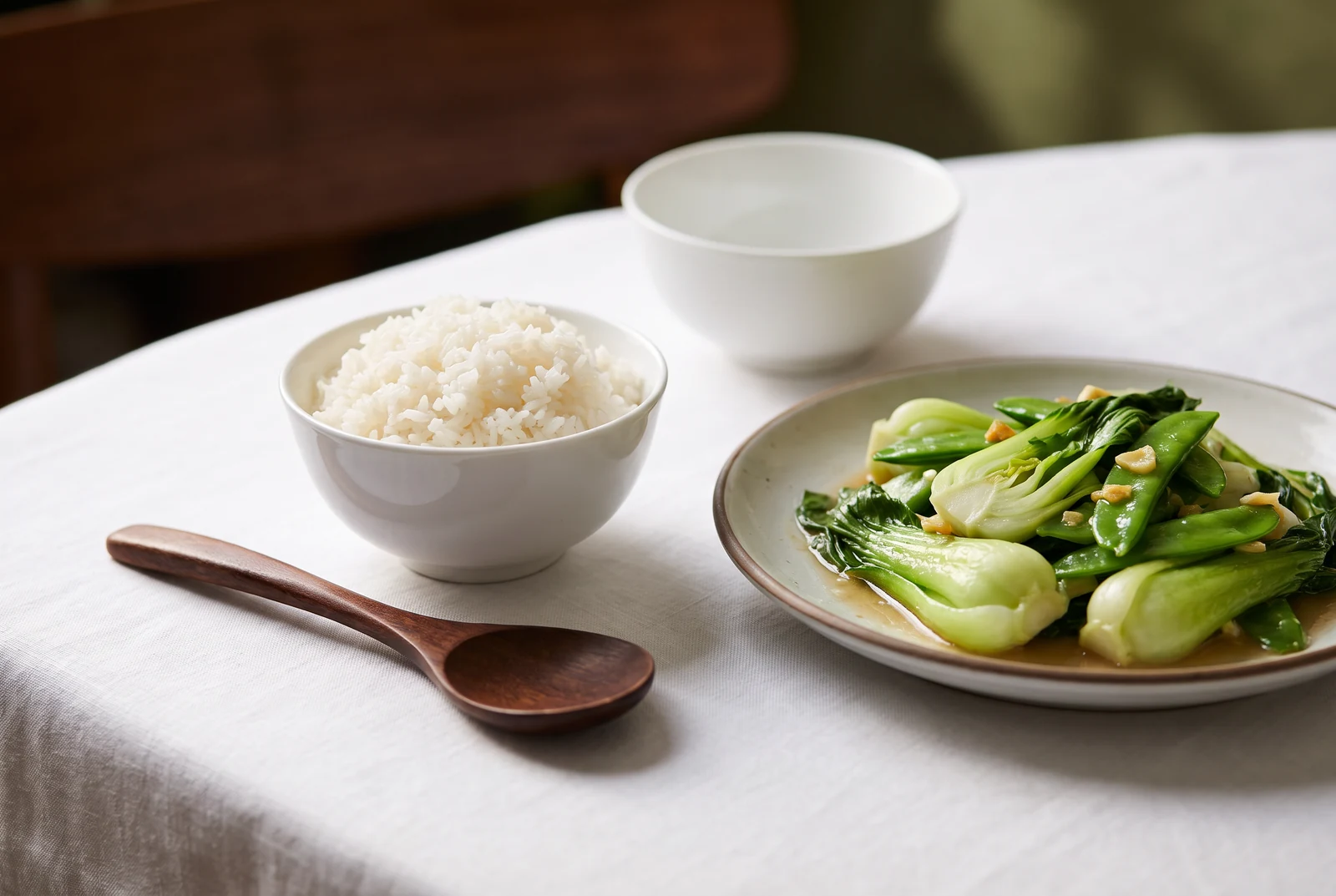
Begin with one or two dishes that most people will enjoy. Rice, a suitable vegetable preparation and a familiar protein can provide a reassuring base, depending on the current menu and the family's preferences. Then add a dish that makes the meal feel special.
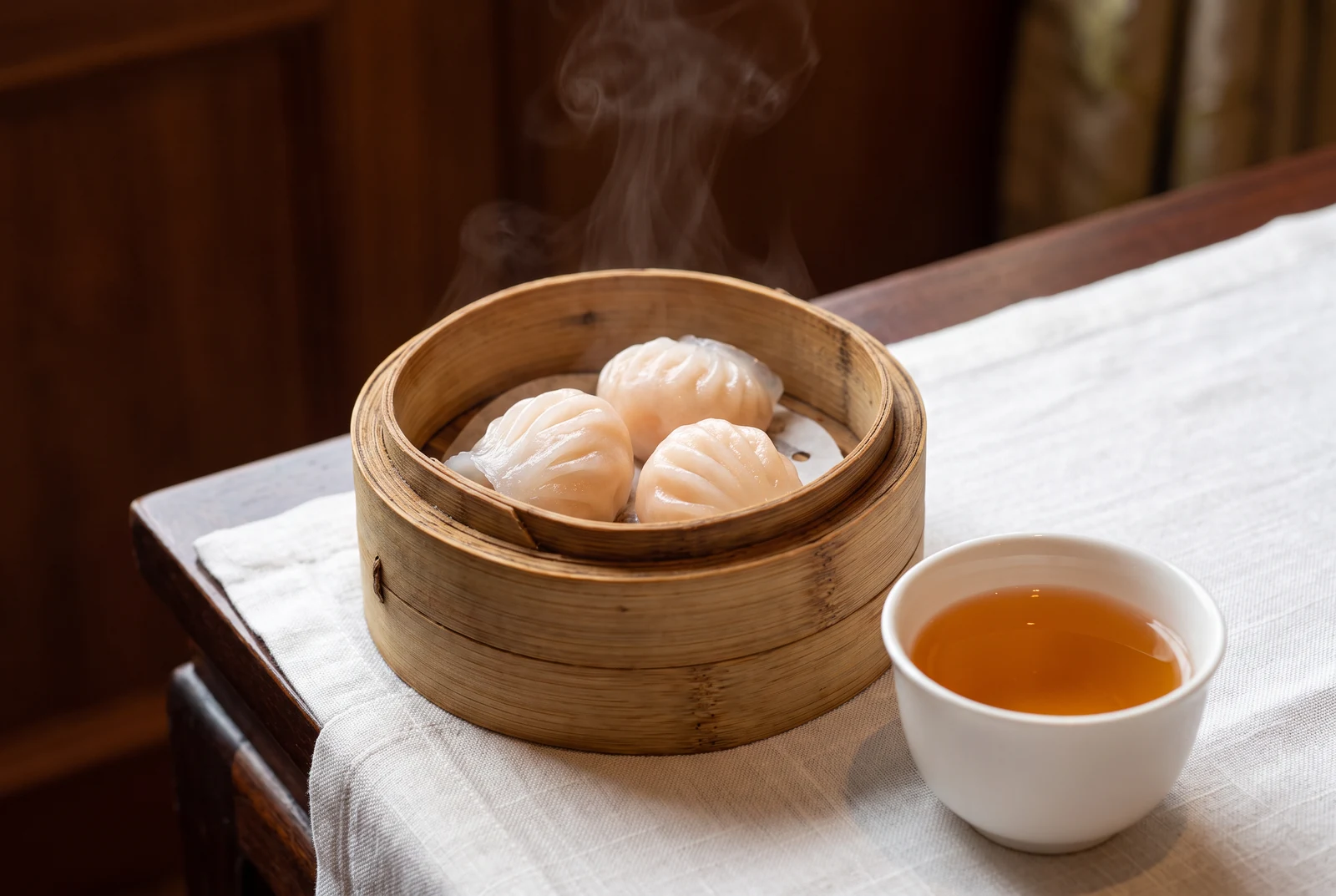
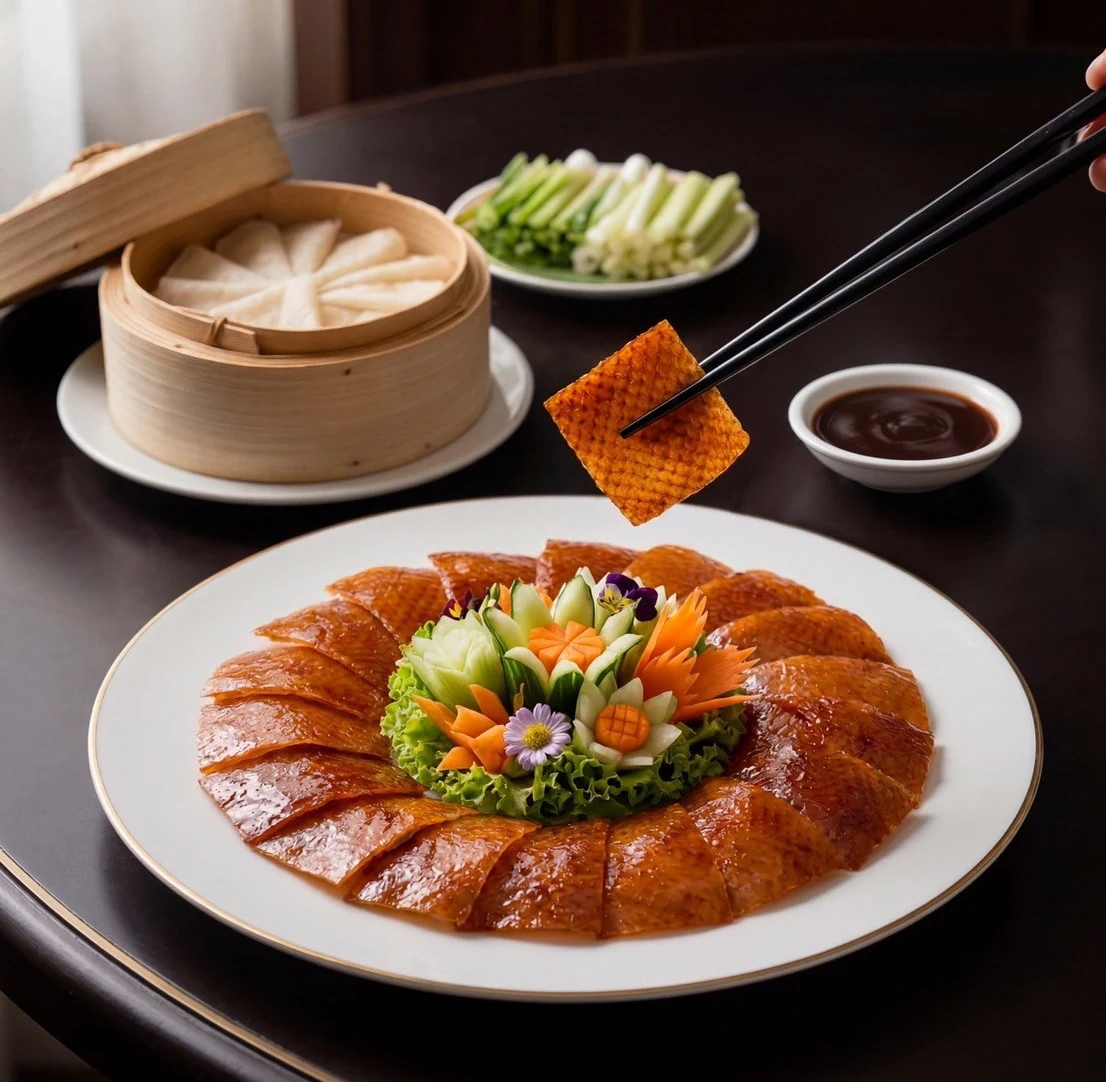
Yan Long's signature selection includes Peking duck, shrimp dumplings, honey BBQ pork, crispy pork belly and grouper. These dishes have different textures and levels of richness. Use that variety to create contrast rather than ordering several roasts simply because they all sound appealing.
- Choose something familiar for guests who prefer a simpler meal.
- Add a contrasting texture, such as steamed dim sum alongside a crisp roast.
- Include vegetables and suitable accompaniments in the planning.
- Leave room to order more if the first round is not enough.
The signature-dish guide can help your family choose a starting point before seeing the full menu at the table.
Make sharing fair and easy
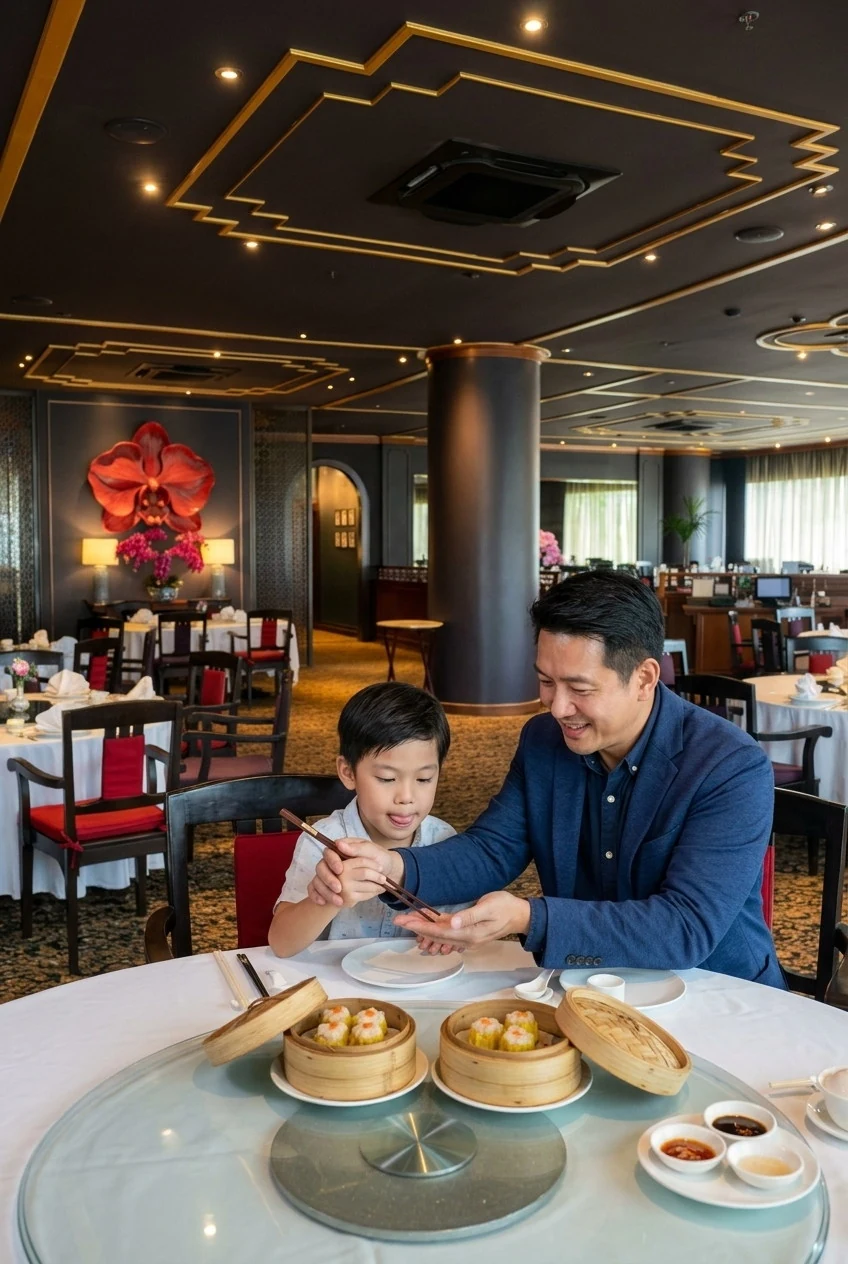
Before ordering dim sum, ask how many pieces come in each serving. Small baskets can disappear quickly when everyone wants a taste. It is better to understand the portion than to discover that the last person has missed the dish they were looking forward to.
Use serving utensils where provided and give each person a chance to help themselves. For children, place a manageable amount on their own plate and let hot food cool appropriately. Adults can help with unfamiliar dishes without turning the meal into a test of table manners.
Whole fish needs attention to bones, particularly when serving children or anyone who finds them difficult to manage. Ask for help with serving if needed. Do not assume that a dish is boneless because the pieces on top appear easy to eat.
Keep the timing suited to the family
A long, late meal may be enjoyable for some groups and tiring for others. Choose a time that works for the youngest and oldest guests as well as the organiser. Tell the restaurant if people will arrive separately or if the family has a firm departure time.
If dim sum is central to the plan, use the daytime service window as your starting point. Yan Long's official listing gives dim sum hours of 11 a.m. to 2 p.m.; confirm current availability when booking. Our dim sum lunch guide covers a lighter, basket-by-basket approach.
For dinner, choose dishes from the evening selection instead of assuming the lunch menu continues unchanged. A little flexibility makes it easier to work with what the kitchen is serving.
Choose seating for conversation and access
Think about who should sit beside whom. A child may settle more easily beside a parent; a guest who finds conversation difficult across a large table may prefer a place near the people they most want to talk with. These small choices can improve the meal without any special programme.
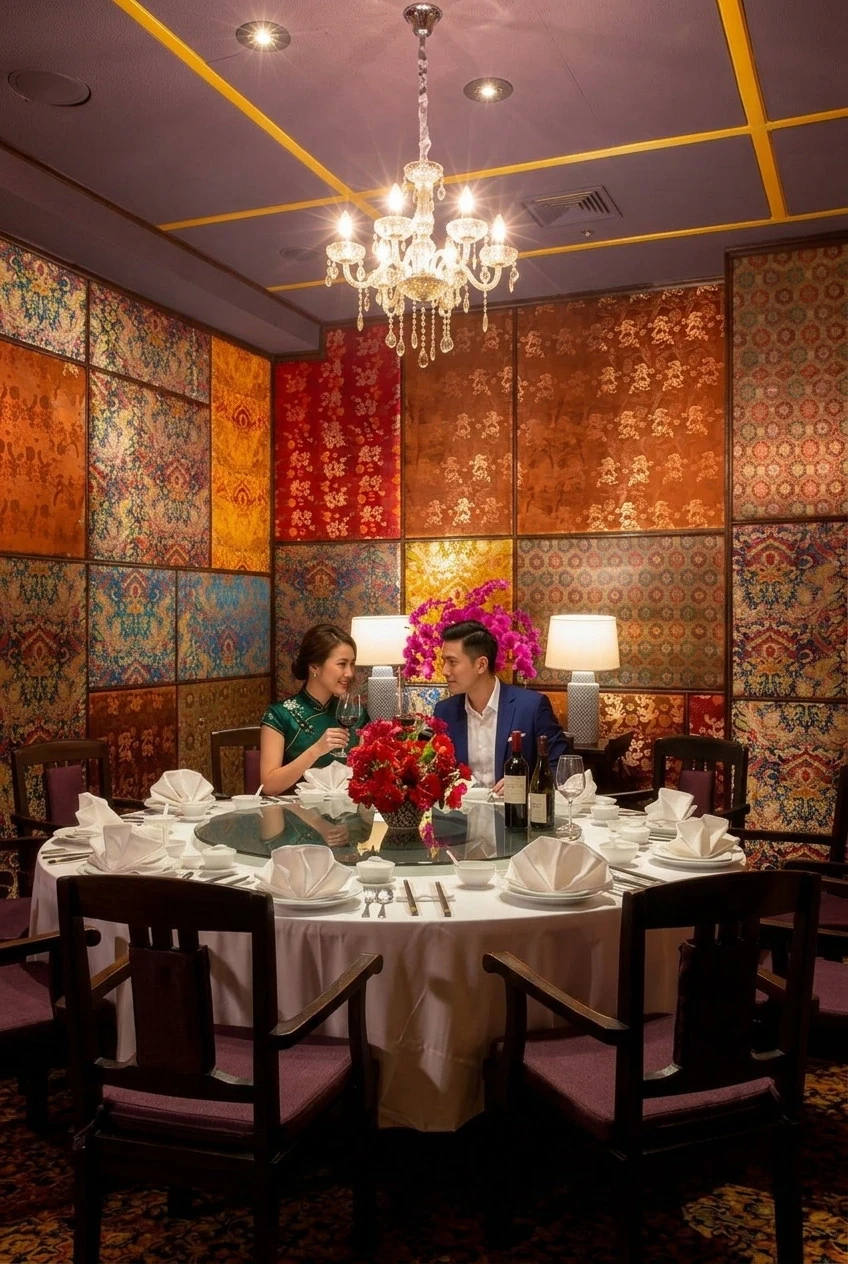
For a larger reunion, ask about private dining rooms. Confirm the room, guest count and seating arrangement rather than assuming that a listed maximum capacity is the ideal fit for every family. Discuss space for movement and any assistance needed on arrival.
Yan Long is on the first floor of Royal Phuket City Hotel. If step-free access, a high chair or another facility is important, ask directly before the visit. Do not rely on a photograph to establish the route or equipment available.
A practical example of a balanced family order
Imagine a group with enthusiastic eaters, two children and one guest who prefers a lighter meal. Start by identifying what everyone can share safely. Choose a centerpiece for those who want it, then add a suitable vegetable dish and accompaniments. Keep a simpler option available for the people who do not want the centerpiece.
If Peking duck is chosen, ask how the available portion fits the group before adding several other meat dishes. If the children mainly want dumplings, confirm the piece count and service time. If a separate dish is required, arrange it with the restaurant rather than relying on other guests to pick ingredients out.
This is a planning method, not a fixed set menu or a claim about portions. The final choices should follow the actual menu, the team's guidance and your family's appetite.
Family dining questions
Is there a children's menu?
This guide does not assume a separate children's menu. Ask what suitable dishes or adjustments are available, and explain the child's preferences and any dietary requirements.
Should we book for a family group?
A booking gives you a chance to discuss seating, access and the meal in advance. Include all guests in the headcount and mention children when you request a table. For a milestone gathering, our birthday dinner guide adds a useful celebration checklist.