Food stories
Peking Duck vs Cantonese Roast Duck: What Is the Difference?
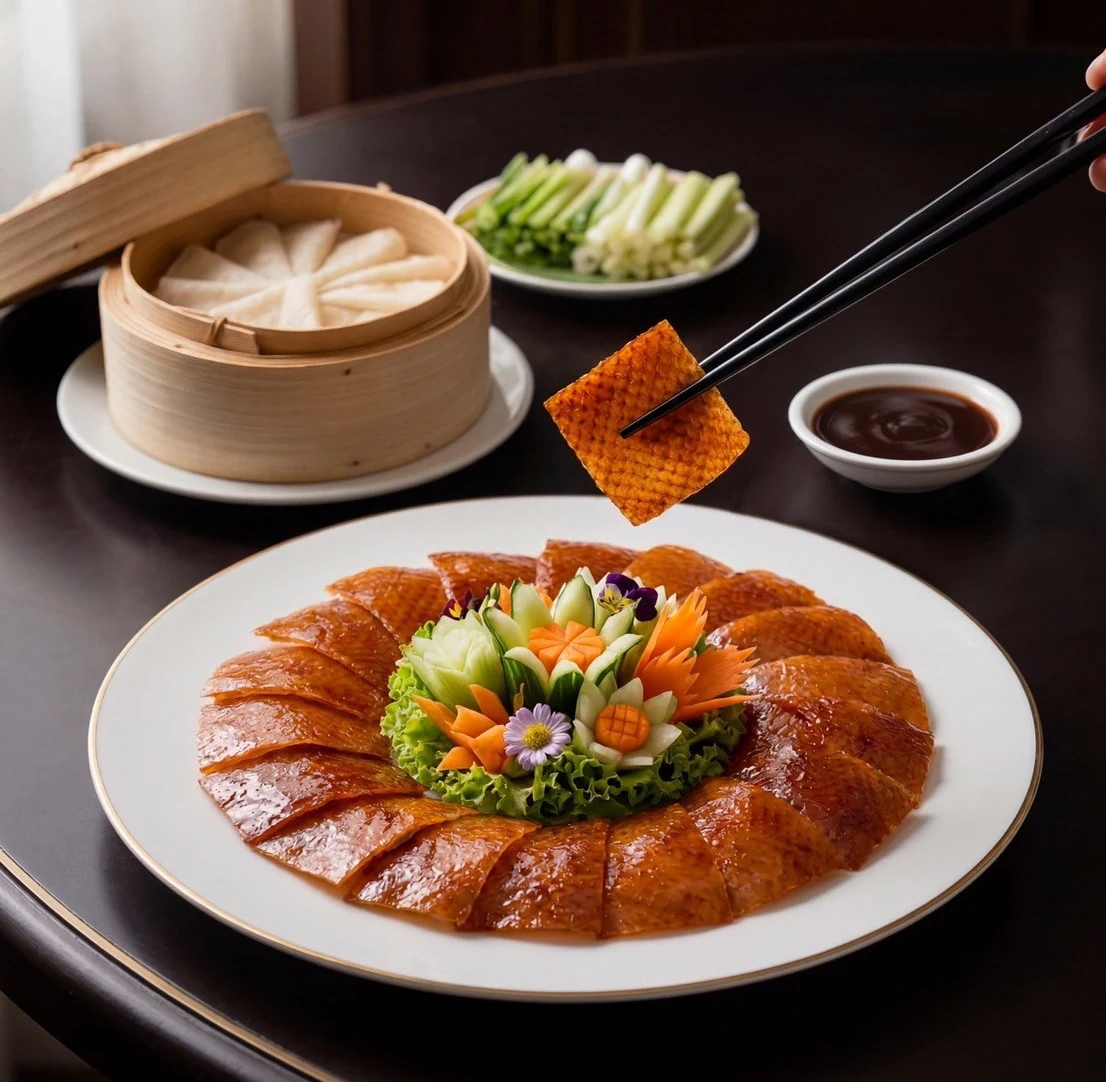
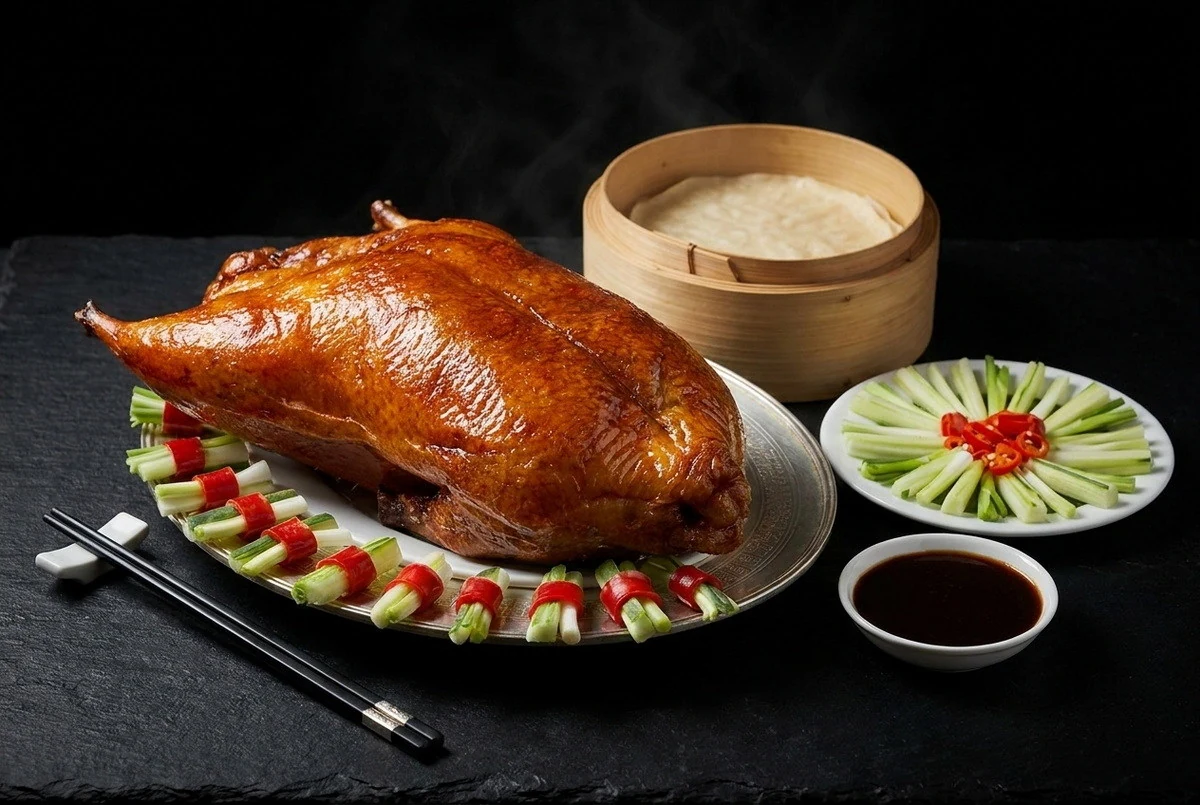
Peking duck and Cantonese roast duck are different Chinese roast-duck traditions. Peking duck puts particular emphasis on crisp skin and thinly sliced presentation, often with pancakes and fresh accompaniments. Cantonese roast duck is commonly chopped into pieces, frequently with the bone, and enjoyed for its seasoned meat as well as its skin. Neither is automatically better: the choice depends on the textures and style of meal you want.
In this article
Restaurant techniques can overlap, so the name is a useful starting point rather than a complete description. Ask how the kitchen prepares and serves its duck.
Begin with the eating experience
Imagine the difference between assembling a small pancake and taking a piece of roast meat from a shared platter. The first makes the skin, sauce and fresh vegetables part of a composed bite. The second lets you enjoy the meat and its seasoning more directly, often alongside rice and other dishes.
That distinction explains more for a diner than simply saying one duck comes from the north and another from the south. Regional origins matter, but what arrives at your table determines how you will eat it and what you may want to order alongside it.
Yan Long lists Peking duck as a signature. This comparison explains the wider traditions; it does not claim that both styles are offered on the restaurant's current menu.
Compare the main characteristics
| Feature | Peking duck | Cantonese roast duck |
|---|---|---|
| Traditional association | Beijing and northern Chinese dining | Cantonese cooking in southern China |
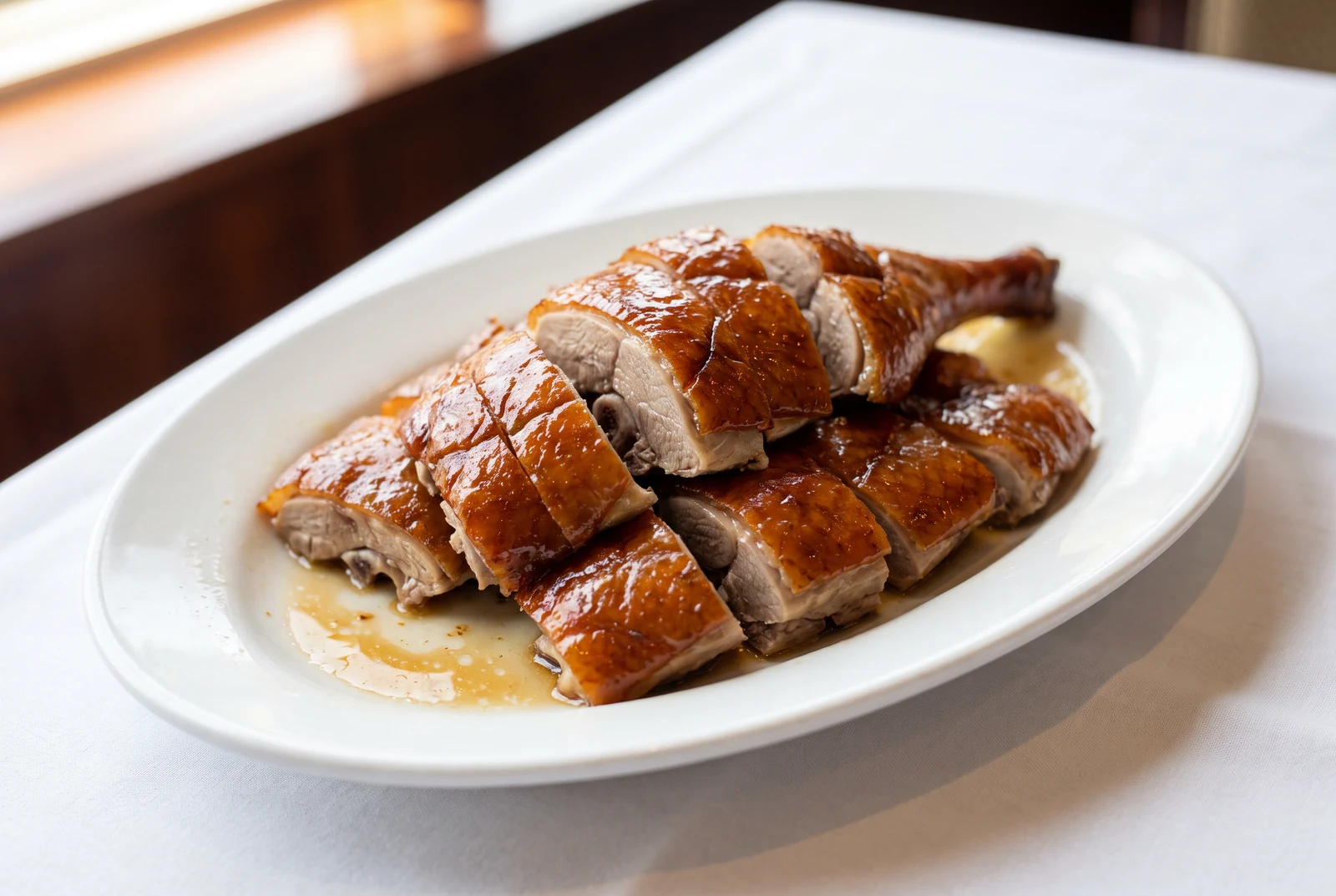
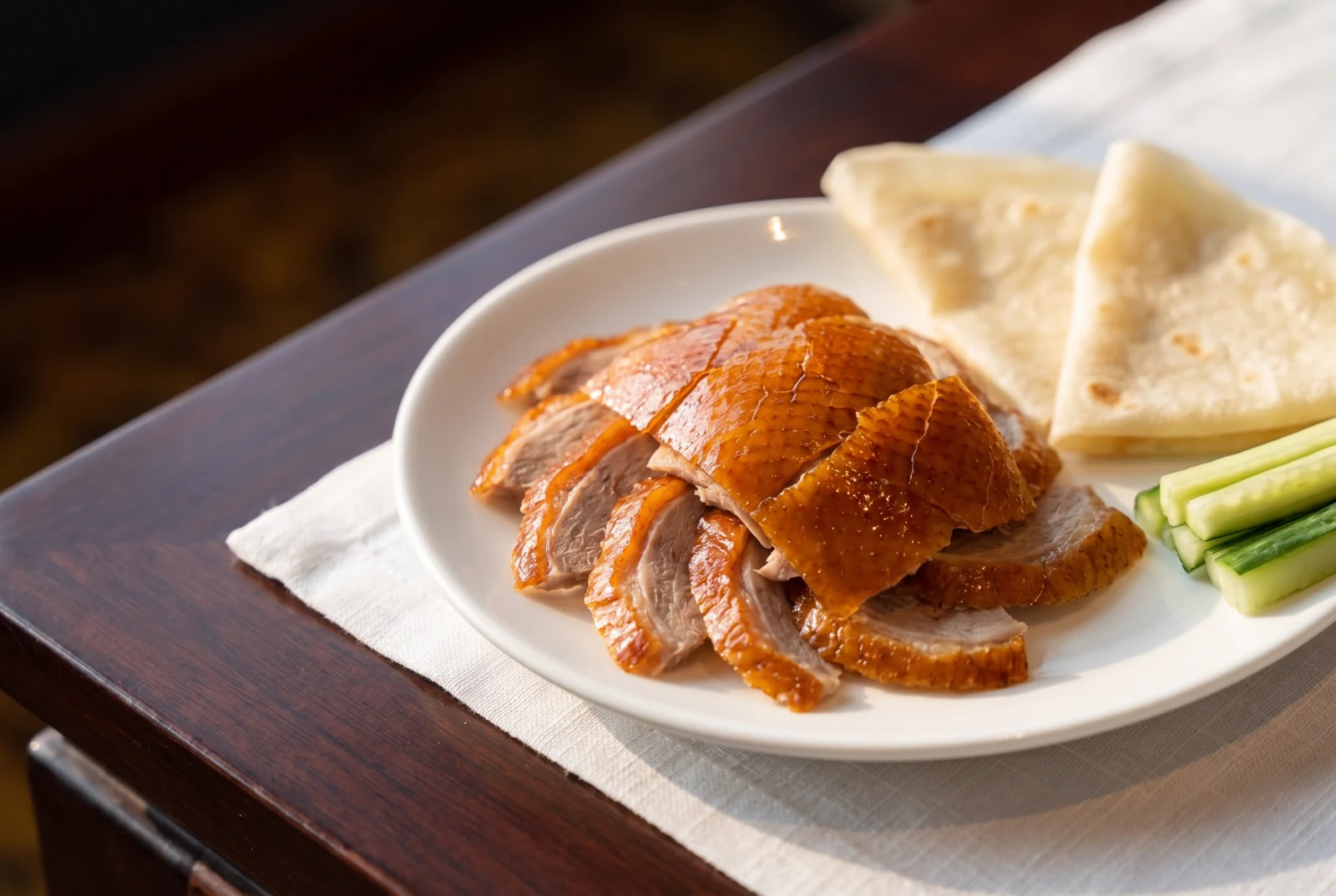
| Typical presentation | Thin slices, with attention to the skin | Chopped pieces, commonly bone-in |
| What diners notice | Crisp skin and contrasting accompaniments | Seasoned meat, roast flavour and skin |
| How it fits a meal | A centerpiece with its own serving ritual | A shared roast dish alongside other plates |
These are broad conventions, not rules that every restaurant follows exactly. A kitchen may adapt the carving, seasoning or accompaniments. Ask about the specific dish if any of those details affects your choice.
Why preparation changes the result
Roast duck depends on managing both the exterior and the meat beneath it. Drying the surface, applying seasoning, controlling heat and deciding how to carve the bird all influence the final eating experience. Two ducks with similarly glossy skin can taste and feel quite different.
In its explanation of the two traditions, MICHELIN highlights differences in preparation, seasoning and carving, while also noting that modern styles sometimes overlap. That is a good reason to avoid judging authenticity from the colour of a photograph alone.
For practical menu reading, ask whether the serving focuses on crisp sliced skin, meat in chopped pieces, or a combination. Then ask which accompaniments are included. Those answers help you plan the meal more reliably than trying to identify an oven or technique from the finished platter.
Choose Peking duck when the presentation is part of the occasion
Peking duck often appeals to diners who enjoy building a bite from several elements. A little sauce, duck and a fresh accompaniment can give richness, sweetness and crunch in a compact parcel. Use small amounts at first so the sauce does not overwhelm the skin.
It can be an enjoyable focus for a celebration or a leisurely meal with people who like sharing. The key is to allow enough appetite and attention for it. Ordering a full spread of other rich dishes beforehand can make the signature feel like an afterthought.
If you are visiting Yan Long for this dish, our Peking duck guide explains what to ask about portions and included preparations. The restaurant's description mentions brining and air-drying before roasting; the actual serving arrangements should be confirmed with the team.
Understand the appeal of Cantonese roast duck
Cantonese roast duck suits diners who want the roast itself to be a straightforward part of a wider meal. Chopped pieces let the seasoned meat take a prominent role, with skin and juices contributing to the flavour. It is commonly enjoyed with rice or alongside other shared dishes.
Bone-in pieces require a different approach from a thin slice placed in a pancake. Take manageable bites and use your own plate to deal with bones discreetly. If you need boneless food or assistance serving, ask before ordering rather than assuming every piece will be easy to eat.
Enjoying one style does not require dismissing the other. A diner who values crisp skin may prefer one presentation on a particular evening, while someone seeking a familiar roast-and-rice meal may choose another. Fair comparisons explain that fit instead of declaring a universal winner.
Ask better questions when ordering
A short conversation can resolve most uncertainty. Start with how the duck is served, then ask about the portion, accompaniments and whether anything requires advance notice. If the menu offers more than one preparation, ask what changes between them.
- Is the duck sliced or chopped, and are bones included?
- Which sauces, pancakes or other accompaniments come with it?
- How does the available portion fit our group and other dishes?
- Are additional preparations included or charged separately?
For two diners, the portion question is especially useful. Read our guide to ordering for two before choosing several mains. For a group, plan the centerpiece first and build contrast around it.
Common duck questions
Is Peking duck a Cantonese dish?
Its traditional association is Beijing, although Cantonese restaurants may serve it. A restaurant's broader cuisine and the origin of an individual dish are not always the same thing.
Does darker skin mean better duck?
Colour alone does not establish quality or style. Seasoning, lighting and preparation affect appearance. The eating qualities—texture, flavour and how the dish is served—are more useful to discuss.
Which should I order at Yan Long?
Peking duck is the published signature. Check the current menu and contact the team through your reservation request for available options. Choose a meal around the dish you want, rather than assuming the two names describe interchangeable servings.